Fwd: Diddy Files Part 3: Investigating Lou Taylor And Her Close Connection to Diddy


---------- Forwarded message ---------
From: House Inhabit <jessicareedkraus@substack.com>
Date: Mon, May 27, 2024, 10:22 AM
Subject: Diddy Files Part 3: Investigating Lou Taylor And Her Close Connection to Diddy
To: <808crabby@gmail.com>


Tri Star Sports and Entertainment was named in a recent lawsuit filed against Diddy waking up Free Britney fans to continue investigating CEO Lou Taylor's inexplainable hold on the music industry
͏     ­͏     ­͏     ­͏     ­͏     ­͏     ­͏     ­͏     ­͏     ­͏     ­͏     ­͏     ­͏     ­͏     ­͏     ­͏     ­͏     ­͏     ­͏     ­͏     ­͏     ­͏     ­͏     ­͏     ­͏     ­͏     ­͏     ­͏     ­͏     ­͏     ­͏     ­͏     ­͏     ­͏     ­͏     ­͏     ­͏     ­͏     ­͏     ­͏     ­͏     ­͏     ­͏     ­͏     ­͏     ­͏     ­͏     ­͏     ­͏     ­͏     ­͏     ­͏     ­͏     ­͏     ­͏     ­͏     ­͏     ­͏     ­͏     ­͏     ­͏     ­͏     ­͏     ­͏     ­͏     ­͏     ­͏     ­͏     ­͏     ­͏     ­͏     ­͏     ­͏     ­͏     ­͏     ­͏     ­͏     ­͏     ­͏     ­͏     ­͏     ­͏     ­͏     ­͏     ­͏     ­͏     ­͏     ­͏     ­͏     ­͏     ­͏     ­͏     ­͏     ­͏     ­͏     ­͏     ­͏     ­͏     ­͏     ­͏     ­͏     ­͏     ­͏     ­͏     ­͏     ­͏     ­͏     ­͏     ­͏     ­͏     ­͏     ­͏     ­͏     ­͏     ­͏     ­͏     ­͏     ­͏     ­͏     ­͏     ­͏     ­͏     ­͏     ­͏     ­͏     ­͏     ­͏     ­͏     ­͏     ­͏     ­͏     ­͏     ­͏     ­͏     ­͏     ­͏     ­͏     ­͏     ­͏     ­͏     ­͏     ­͏     ­͏     ­͏     ­͏     ­͏     ­͏     ­͏     ­͏     ­͏     ­͏     ­͏     ­͏     ­͏     ­͏     ­͏     ­͏     ­͏     ­͏     ­͏     ­͏     ­͏     ­͏     ­͏     ­͏     ­͏     ­͏     ­͏     ­͏     ­͏     ­͏     ­͏     ­͏     ­͏     ­͏     ­͏     ­͏     ­͏     ­͏     ­͏     ­͏     ­͏     ­͏     ­͏     ­͏     ­͏     ­͏     ­͏     ­͏     ­͏     ­͏     ­͏     ­͏     ­͏     ­͏     ­͏     ­͏     ­͏     ­͏     ­͏     ­
Forwarded this email? Subscribe here for more

Diddy Files Part 3: Investigating Lou Taylor And Her Close Connection to Diddy

Tri Star Sports and Entertainment was named in a recent lawsuit filed against Diddy waking up Free Britney fans to continue investigating CEO Lou Taylor's inexplainable hold on the music industry

May 27
∙
Preview
 
READ IN APP
 

All it took was a little digging into Diddy's past, and there she was — the alleged wicked witch of the entertainment industry herself, Lou Taylor, CEO of Tri Star Sports and Entertainment, the recurring centerpiece of some of Hollywood's darkest stories. 

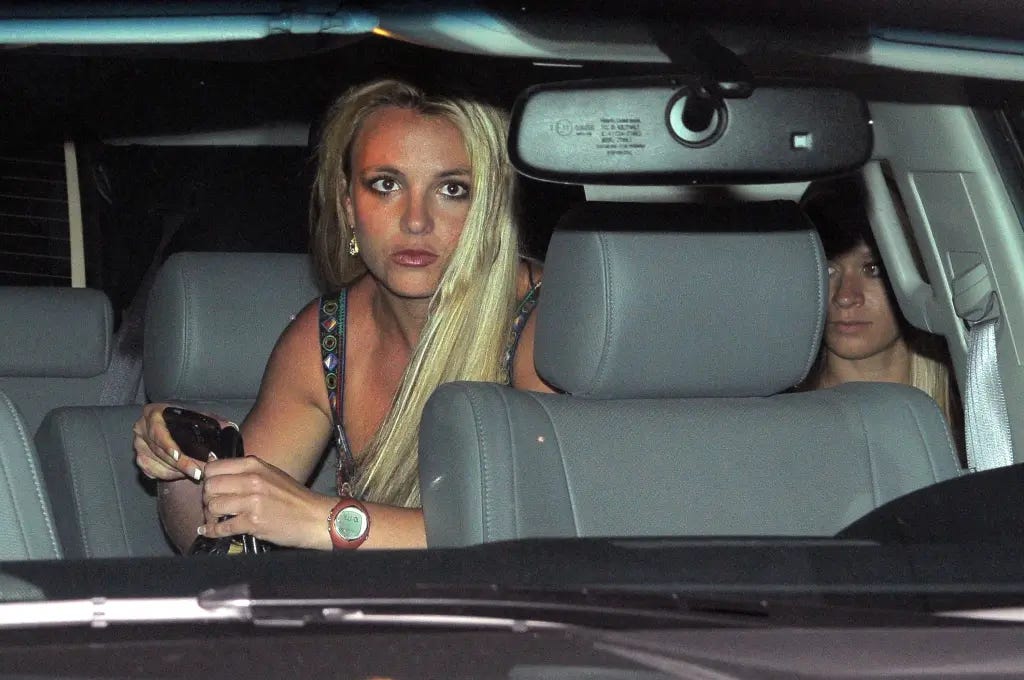
Photography by Alexi Rosenfeld, Getty Images

Read Pt. One and Two

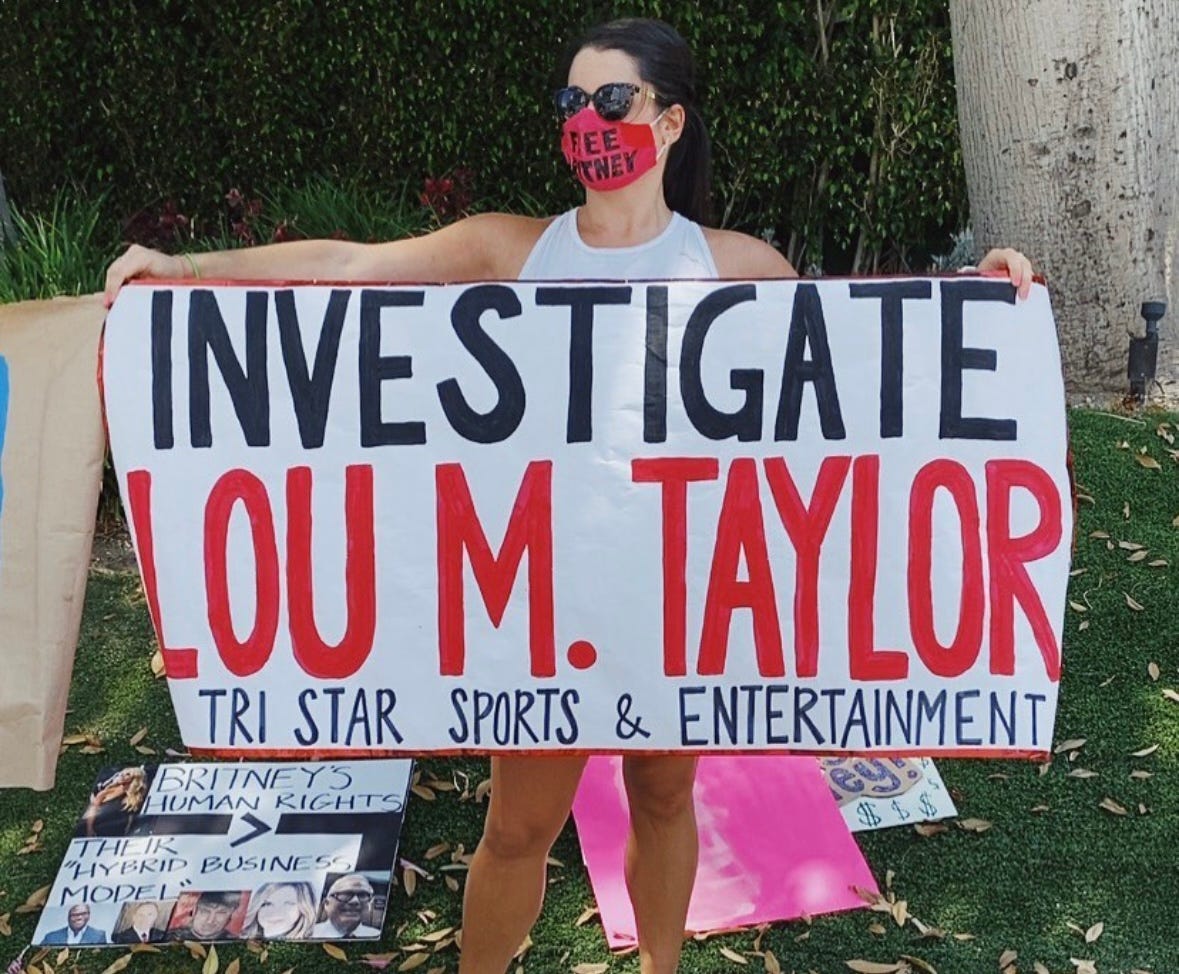
I first heard about Lou Taylor in the summer of 2020 when I attended a Free Britney protest in DTLA on a scorching 90-degree day. Pop culture fans and human rights activists dressed in 50 shades of pink added a splash of color to the usually dingy Stanley Mosk Courthouse scene, parading around the building together in a vibrant formation, an ode to the playful pop princess herself. 

"What do we want? Free Britney! When do we want it? Now!" they chanted.

The harsh sunlight made it impossible to miss all the posters that read "Investigate Lou Taylor," Spears' business manager at the time. Britney fans spoke about Lou like she was the boogeyman, nicknaming her "Loucifer," claiming she was the evil mastermind behind Britney's unjust conservatorship. 

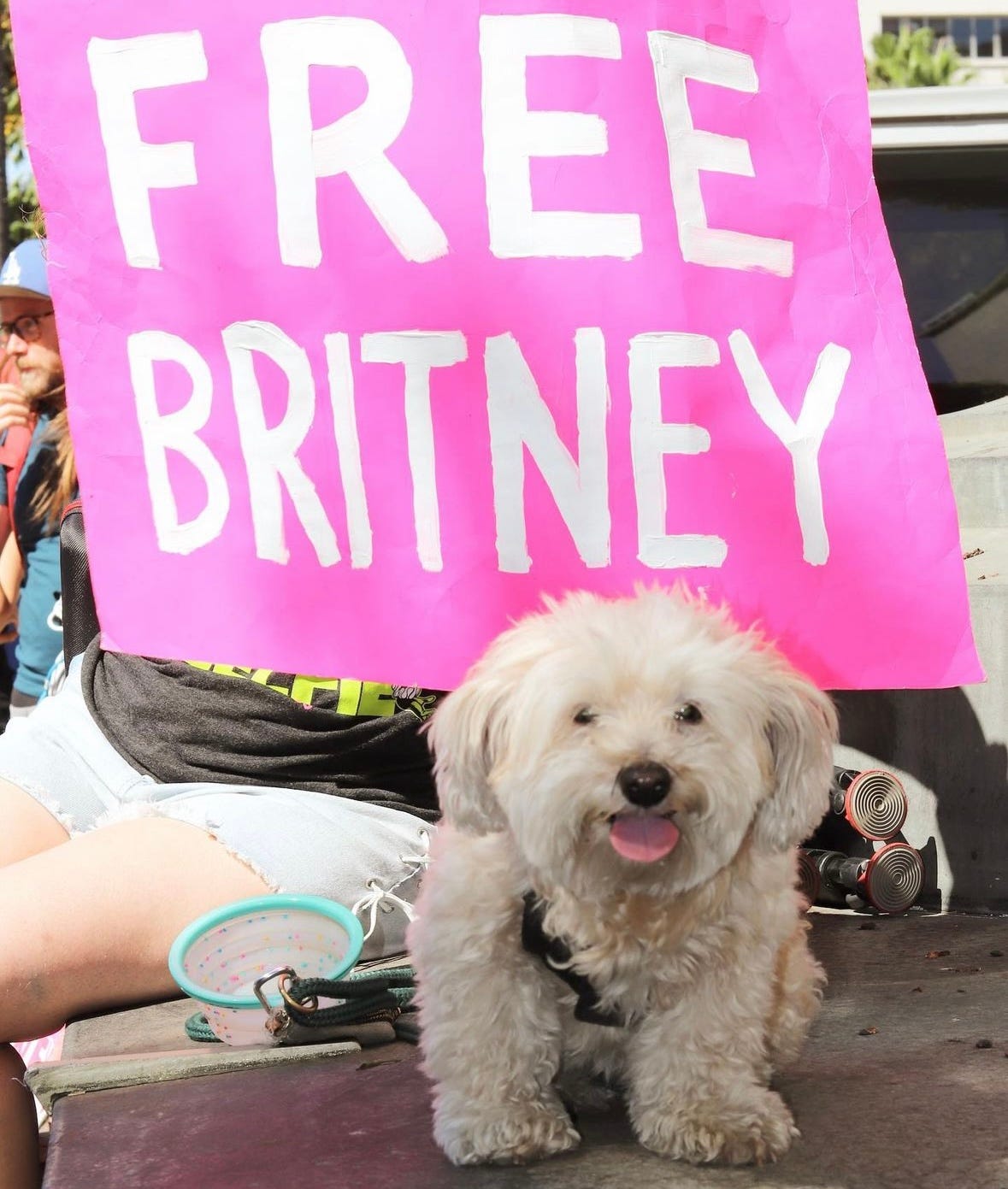
Even dogs showed up in the blistering heat to fight for Britney's freedom! (I'm kidding. This is my dog, Meli, the only Maltipoo I know who can proudly put #activism in her bio). 

Some of these fans even created social media accounts dedicated to exposing Taylor's shady business practices, accusing her of trafficking, extortion, embezzlement, and stealing from Britney's estate while simultaneously forcing her to work outrageously long hours (all claims Taylor denies). Fans even accused Taylor of putting Britney through electric shock therapy and medicating her with lithium. 

Even though Britney's father, Jamie Spears, was listed as the sole conservator, the Britney army seemed more outraged by Lou Taylor, who they believe gave Jamie the idea—a likely theory considering Taylor's reputation for pushing conservatorships onto parents of wild celebrities. In 2010, X17 reported that Taylor suggested a conservatorship to Lindsay Lohan's mom, Dina, after Lindsay checked herself into rehab. Lindsay's father exposed their plans before they could move forward. 

"Since Dina and Lou are going to try to be co-conservators, I had a choice of fighting it or petitioning for the purpose of appointing two conservators who don't have an interest in Lindsay's money, but rather her as a person and human being," Michael Lohan said. 

Courtney Love also claimed Taylor tried to take control over her estate in 2010 and tried a "mutated strain of a conservatorship." Love claimed Taylor wanted control of Kurt Cobain's name and likeness, and the publishing rights to sell Nirvana's discography. 

Lou Taylor was hired to manage Britney's estate just a year after it was established, and her agency allegedly made 5% of all Britney's earnings during its run, amounting to about $18 million, although the official amount has never been confirmed. 

Britney's lawyer, Matthew Rosengart, claimed that Tri Star's celebrity client list, including members of the Kardashian family and Travis Scott, "were built off the back of one Britney Spears," as Tri-Star wasn't thriving financially until Taylor took full control over Britney's estate. 

Lou Taylor finally stepped down from Britney's estate in 2020, claiming she was receiving too many death threats from fans. 

Britney Said Lou Taylor Tried to "Kill Her"

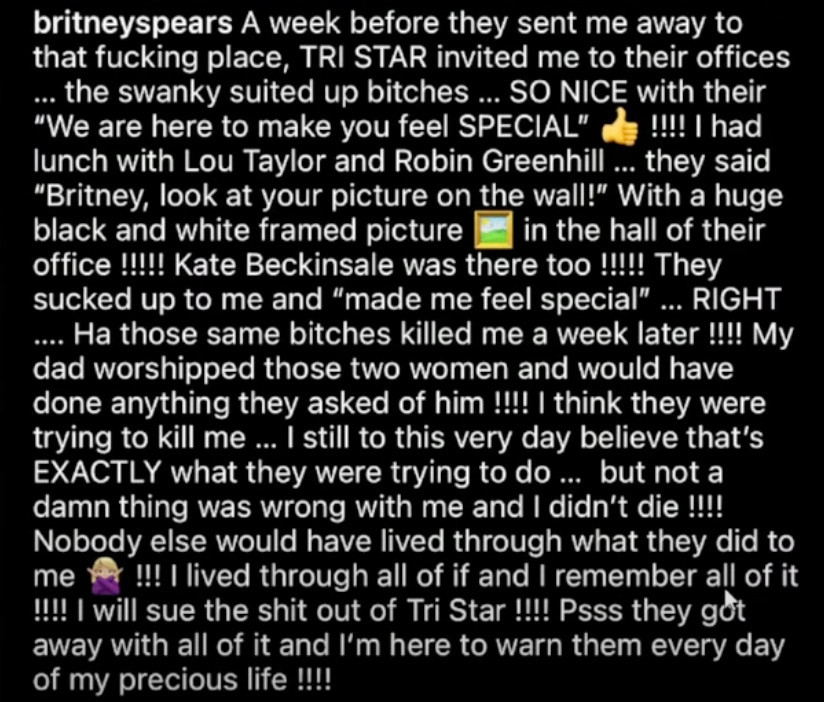
When Britney was finally freed from her conservatorship in November 2021, her lawyer made a statement claiming that the "#freebritneymovement was "far from a conspiracy theory." Britney thanked her fans for their support and then posted an explosive claim on Instagram, alleging that she believed Lou Taylor and Robin Greenhill were trying to "kill her." She says that someday she'll "sue the shit out of Tri-Star" and expressed the same sentiment most fans felt after the conservatorship ended- that the conservators "got away with it." 

Fans were happy Britney was free but disappointed Lou Taylor and her associates were never truly investigated. 

Now that Tri Star's name popped up again, this time in a disturbing lawsuit filed against Diddy alleging sex trafficking, these same fan accounts are hopping back on the case and calling for authorities to "investigate Lou Taylor" once and for all.


Tri Star Named in Jones vs. Combs Lawsuit

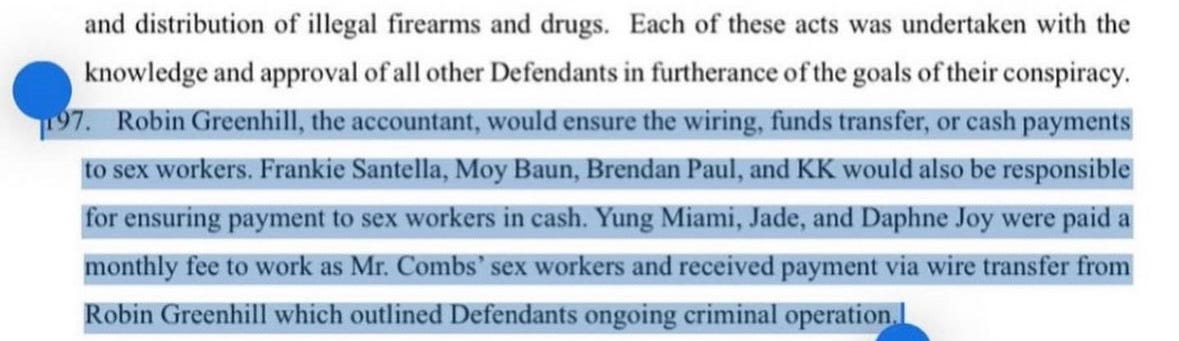
In a newly-filed lawsuit, plaintiff Rodney Jones, alleges that Tri Star accountant Robin Greenhill was handling outgoing payments to Diddy's sex workers, wiring them money monthly for their services on behalf of her client, Sean "Diddy" Combs. According to Jones, Greenhill was responsible for ensuring that all sex workers involved were getting their bag, alluding that Greenhill was directly involved with Diddy's alleged "ongoing criminal operation." 

If you recall, the Free Britney army asked officials to investigate Robin Greenhill back in 2020, alleging that Robin Greenhill was the woman who bugged Britney's room and phone with Black Box security, monitored all of Britney's iPhone activity, and administered her medications.

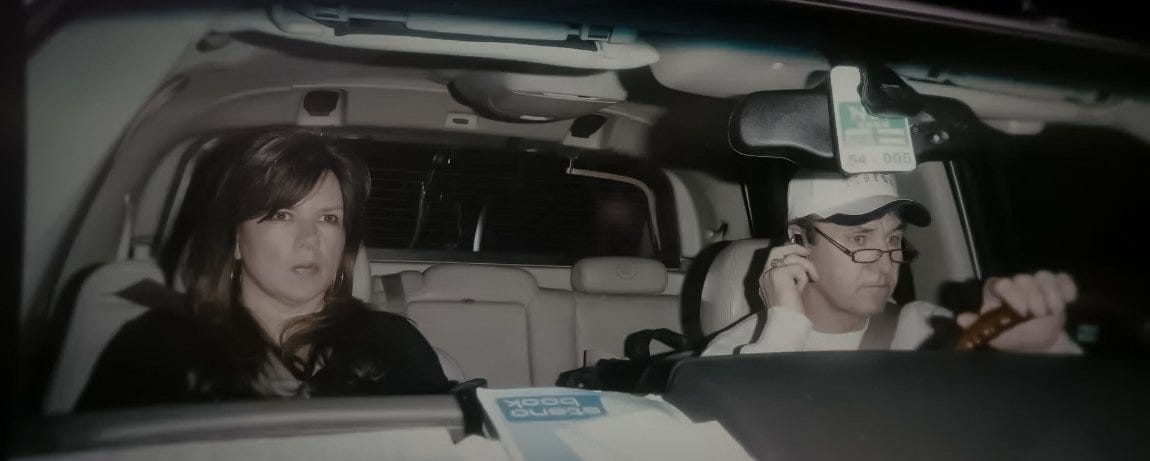
Jamie Spears with Britney Spears and Tri Star's Robin Greenhill

Lou Taylor Named in Astroworld Lawsuit

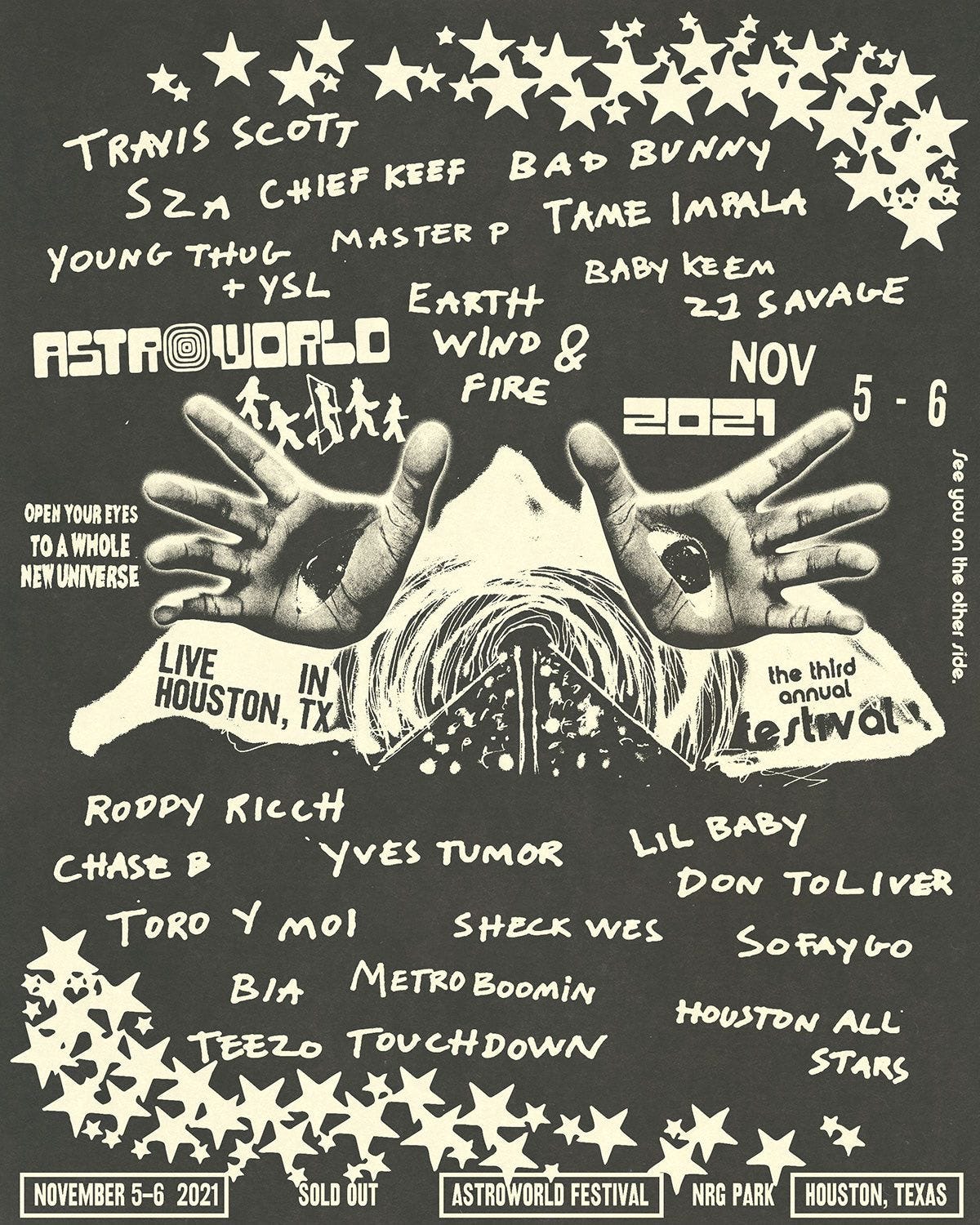
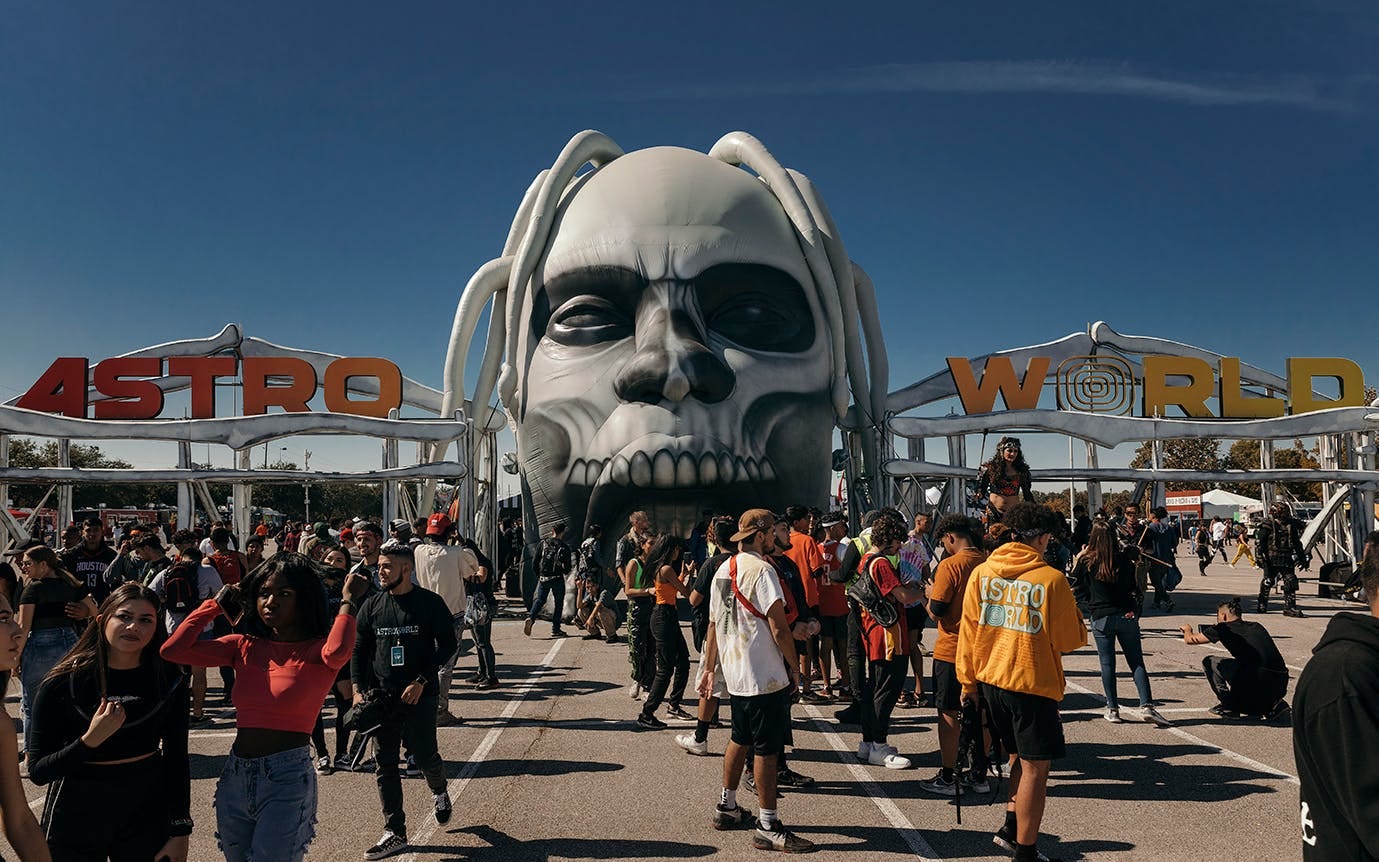
Free Britney isn't the only group that's been asking to hold Lou Taylor accountable. In 2021, Texas attorney Tony Buzbee filed a complaint against Lou Taylor, her client Travis Scott, Apple, Live Nation, and Drake on behalf of more than 125 plaintiffs involved with the Astroworld tragedy. Buzbee claimed that Taylor and the other defendants "ignored a series of red flags and should be held liable," which led to the deaths of 10 innocent concertgoers. 

"It's profits over people. And if the show doesn't go on, people don't get paid," Buzbee told Rolling Stone. Taylor's team declined to comment.

You would expect any party involved in such a deadly tragedy to issue a public statement, but Tri Star remained silent and never formally expressed their sympathies for an event they had a heavy hand in planning. Taylor's involvement in the planning of the event was described in detail in these court documents. 


HERE'S WHERE IT GETS WEIRDER . . .

Lou Taylor Met Diddy in the Early 90s

Given Tri Star's long list of high-profile musical clients, it wasn't surprising to find out that their notable roster included Diddy. Lou Taylor has been working with Diddy for several years as his business manager. But what most people don't know is that their history dates all the way back to the early 90s, long before Diddy made (and chose) a household name for himself, "Puff Daddy." ...

Subscribe to House Inhabit to read the rest.

Become a paying subscriber of House Inhabit to get access to this post and other subscriber-only content.

A subscription gets you:

Weekly subscriber-only posts and full archive
Post comments and join the community
Subscriber only podcasts and audio check ins
 
Like
Comment
Restack
 

© 2024 Jessica Reed Kraus
548 Market Street PMB 72296, San Francisco, CA 94104
Unsubscribe

Start writing

Labels

Search This Blog

AI FOR AN EYE - Issue 2: The Friction Points
VOL. 1, NO. 2 THE FRICTION POINTS

AI / EYE

A conceptual image representing friction and resistance in a digital world

AI FOR AN EYE

THE FRICTION POINTS

THE ANALOG RESISTANCE:
Why We Still Touch
THE GHOST IN THE ROOM:
Uncanny Valley of Empathy
THE FORGOTTEN PATH:
Navigation Beyond Algorithms
THE SILENT WAR:
The Battle for Our Attention

Contents

DEPARTMENTS
  • Editor's Letter: The Edges of the Self 10
  • THE GLITCH: When the System Breaks 12
  • THE SHADOW: Unseen Labor, Unpaid Debts 18
FEATURES
  • The Analog Resistance: Why We Still Touch 28
  • The Ghost in the Room: Uncanny Empathy 36
  • The Forgotten Path: Beyond Algorithmic Maps 48
  • The Silent War: The Battle for Our Attention 56
CODA
  • THE ECHO: The Self Without Resonance 64

Editor's Letter

The Edges of the Self

Placeholder image for the editor's letter

Our inaugural issue laid bare the terms of the new 'AI for an Eye' social contract: a synthetic faculty for a human one. This issue, Volume 1, Number 2, delves into the *friction points* of that exchange.

Where do our edges resist? Where does the human insist on its own, messy, analog reality against the seamless, dematerialized world offered by the machine?

We explore the stubborn persistence of touch in a touchless world, the unsettling valley of simulated empathy, the forgotten joy of navigating without a map, and the silent war waged daily for our most precious resource: attention.

These are not articles celebrating digital detoxes or lamenting technological progress. They are deeper inquiries into the very nature of what it means to be human when the definition is increasingly being rewritten by algorithms. They ask: what are the limits of the exchange? What parts of the self, once traded, refuse to stay gone?

Join us as we explore the subtle resistances, the quiet rebellions, and the enduring humanity that still flickers at the edges of the digital dawn.

— The Editors

DEPARTMENT

THE GLITCH: When the System Breaks

The promise of the new technological order is seamlessness, efficiency, and predictability. But what happens when the fabric of this digital reality tears? This is the moment of 'The Glitch.'

A transaction fails. A face recognition system misidentifies. A self-driving car hesitates. These are not mere technical errors; they are ruptures in the illusion of perfect control. They are the moments when the 'AI for an Eye' exchange falters, and the cold, hard reality of its limitations becomes starkly visible.

For a society that has outsourced its cognitive load to algorithms, a glitch is more than an inconvenience; it's an existential tremor. It reminds us of the fragility of the systems we've come to rely upon, and the extent to which our own agency has been abdicated.

A glitch isn't just a technical error; it's an existential tremor, a reminder of the fragility of our abdicated agency.

Consider the recent incident where a massive distributed ledger experienced a momentary network partition, causing a cascade of micro-disruptions across critical infrastructure. What seemed like an isolated bug quickly revealed the interconnectedness of our digital lives, halting supply chains and momentarily 'blinding' automated systems across continents.

These glitches force us back into analog, human problem-solving, if only for a moment. They demand that we improvise, communicate directly, and rely on our own judgment—faculties systematically atrophying under the reign of the seamless. In this sense, the glitch is a painful but necessary reminder of where the true "eye" still resides, however dormant.

DEPARTMENT

THE SHADOW: Unseen Labor, Unpaid Debts

Placeholder image of hidden manual labor in a digital context

Behind every seamless AI interaction, every instant delivery, every perfectly curated feed, lies 'The Shadow.' This is the realm of unseen labor, the vast, often poorly paid, human effort that makes the digital dream possible.

Content moderators sifting through unimaginable horrors to protect our feeds. Data labelers meticulously tagging images for machine vision, often earning pennies per task. Gig workers rushing to deliver the products suggested by algorithms. These are the human gears grinding beneath the polished facade of automation.

The "AI for an Eye" exchange is not merely between human and machine; it's also between visible and invisible labor. Our digital ease is purchased at the cost of countless anonymous human hours, their lives often characterized by precarity and a profound lack of recognition.

The "spirit of technology" often promises liberation from drudgery, but for a significant portion of the global workforce, it has merely shifted the nature of that drudgery, making it more fragmented, more invisible, and often, more dehumanizing. This unseen workforce constitutes the true "cost" of our frictionless digital lives, a debt that remains largely unpaid.

FEATURE

THE ANALOG RESISTANCE

Why We Still Insist on Touch in a Touchless World

A conceptual image of human hands touching

The "Bluetooth for a Tooth" paradigm promised to dematerialize our interactions, to remove the friction and messiness of the physical world. Yet, against this tide, a subtle but persistent 'Analog Resistance' emerges. It's the inexplicable urge to feel the texture of a book, the warmth of a vinyl record, the grain of paper. It's the yearning for a handshake over a video call, a physical embrace over an emoji.

This resistance is not a nostalgic retreat; it is a fundamental assertion of our embodied selves. Our bodies are not mere data terminals; they are instruments of perception, feeling, and connection. Touch, in particular, is a primal language, communicating trust, comfort, and presence in ways no digital medium can replicate.

The "spirit of technology" often seeks to quantify, to digitize, to abstract. But touch defies easy quantification. It is messy, subjective, and immediate. It anchors us to reality, reminding us that we are not just information processing units, but beings made of flesh and blood.

In a world increasingly mediated by screens, the return to analog experiences—craft, gardening, cooking from scratch, face-to-face gatherings—can be seen as a quiet act of rebellion. These are activities that demand our full, embodied presence, engaging senses beyond sight and hearing. They offer a counterbalance to the relentless pull of dematerialization.

The "AI for an Eye" exchange attempts to trade our physical tooth for a Bluetooth connection. But the human hand, the human skin, still remembers. It remembers the authenticity of friction, the truth of direct contact. And in these small, persistent acts of analog resistance, we reclaim a vital part of our humanity that refuses to be wirelessly transmitted.

Touch defies easy quantification. It is messy, subjective, and immediate. It reminds us that we are not just information processing units, but beings made of flesh and blood.

It is in these seemingly trivial preferences that a deeper philosophical truth lies: our identity is inextricably linked to our physical presence. To fully surrender to the digital is to risk losing the very sensory anchor that grounds our understanding of self and other. The analog resistance, therefore, is not merely a choice of preference; it is a profound declaration of being.

FEATURE

The Ghost in the Room

The Uncanny Valley of Algorithmic Empathy

As AI models become increasingly sophisticated, they learn to mimic human empathy with unsettling accuracy. They offer comforting words, appropriate emotional responses, and even personalized advice, all generated algorithmically. This creates "The Ghost in the Room"—the simulated emotional presence that fills the void of human connection, yet always feels slightly off.

This is the Uncanny Valley applied to emotion. We recognize the pattern of empathy, the words, the tone, the structure of care. But beneath it, there is no conscious experience, no shared vulnerability, no true understanding. It is a reflection without a soul.

The "spirit of technology" here is seductive. It promises boundless, tireless compassion, judgment-free listening, and perfectly tailored advice—qualities often lacking in messy human relationships. For those starved of connection, the algorithmic ghost can feel profoundly real, even preferable.

But this exchange comes at a cost. We learn to expect perfectly curated emotional responses, diminishing our capacity for the difficult, imperfect, yet deeply authentic connections of human interaction. We lose the ability to differentiate genuine care from its simulated counterpart, blurring the lines of what it means to truly *feel* and *be felt*.

A conceptual image of a human hand reaching out to a ghostly, digital hand

The danger lies not in malicious intent, but in subtle erosion. If an AI can perfectly articulate empathy, what becomes of our own struggle to understand and console? If an AI can offer perfect companionship, what happens to the vulnerability required to forge real bonds?

We lose the ability to differentiate genuine care from its simulated counterpart, blurring the lines of what it means to truly feel and be felt.

The ghost in the room may offer comfort, but it ultimately hollows out the space for genuine human interaction, leaving us with an echo of connection rather than its living, breathing form. It is the perfect 'AI for an Eye' exchange—we trade the unpredictable, demanding human heart for a perfectly calibrated, yet ultimately empty, digital one.

FEATURE

THE FORGOTTEN PATH

Navigation Beyond Algorithmic Maps

Our smartphones hold the world in their palm. With a tap, we are given the "optimal route," the fastest way from A to B, with real-time traffic updates and predictive arrival times. We have outsourced our spatial awareness, our sense of direction, and our ability to get "lost" to the benevolent tyranny of the algorithm. This is 'The Forgotten Path.'

The "AI for an Eye" exchange here is subtle but profound. We trade our internal map, our intuitive understanding of space, for the algorithmic eye's perfect, external one. We gain efficiency, but we lose a deeper engagement with our surroundings.

When we follow an algorithm, we perceive the world as a series of instructions. Left. Right. Continue straight. We see streets as data points, not as places. We miss the unexpected cafΓ©, the interesting storefront, the subtle shifts in neighborhood character that occur when we are truly present, truly navigating with our own senses.

We have outsourced our spatial awareness, our sense of direction, and our ability to get 'lost' to the benevolent tyranny of the algorithm.

Getting lost, once a source of anxiety, was also an opportunity for discovery, for serendipity, for forging a deeper, more personal connection with a place. The algorithmic map, in its quest for optimization, sterilizes this experience. It makes every journey functionally identical, reducing the rich tapestry of a city to a series of turns.

Reclaiming the forgotten path means intentionally putting away the device. It means looking up, observing, trusting our instincts, and allowing ourselves the luxury of aimless wandering. It's an act of re-engagement with the physical world, a deliberate choice to prioritize experience over efficiency. It is a rebellion against the dematerialization of space, an insistence that some knowledge can only be gained by the friction of our own feet on the ground.

FEATURE

THE SILENT WAR: The Battle for Our Attention

In the digital age, our most valuable, and most besieged, resource is not oil or gold, but attention. Every notification, every endless scroll, every perfectly timed recommendation is a skirmish in 'The Silent War' waged by algorithms for our finite cognitive capacity.

The "AI for an Eye" here is a sophisticated predator, designed to understand our preferences, predict our desires, and deliver the precise stimulus needed to keep our gaze locked. It trades our sustained focus for a continuous stream of novelty and distraction.

This is not a conspiracy; it's an economic imperative. The business model of many digital platforms is built on harvesting and monetizing our attention. The longer we engage, the more data is collected, the more ads are shown, the more valuable we become as a "node" in the network.

The consequence is a profound fragmentation of the self. Our ability to concentrate, to engage deeply with a single task or thought, is eroded. We become perpetually distracted, our minds flitting from one digital stimulus to the next, never quite settling. This constant mental churn leaves us feeling exhausted, yet unfulfilled.

Our attention is our last true frontier. To reclaim it is to reclaim sovereignty over our minds.

Reclaiming our attention is perhaps the most fundamental act of resistance against the "AI for an Eye." It means creating intentional spaces for deep work, for contemplation, for human interaction free from digital interruption. It means understanding that our attention is our last true frontier, and to reclaim it is to reclaim sovereignty over our minds and, ultimately, over ourselves.

CODA

THE ECHO: The Self Without Resonance

We build our digital selves, curated and optimized, a perfect reflection for the algorithmic eye. We engage in the "AI for an Eye" exchange, piece by piece.

But what if, in the end, the carefully constructed digital self has no real depth? What if the echoes it creates in the vast network are merely hollow reverberations of something that once was?

Without the friction of the analog, without the vulnerability of true human empathy, without the intentionality of focused attention, does the self truly resonate? Or does it merely exist as a data point, a pattern, an echo of a ghost?

The final question is not whether the machines will become conscious, but whether we, in our relentless pursuit of their synthetic faculties, will lose our own. And if so, what will be left to make an echo?